
What is Oral Surgery?
Oral surgery is a branch of dentistry that involves surgical procedures that help treat diseases of the mouth, teeth, jaws and soft tissues of the mouth. Oral surgeons are specialised dentists who have experience in performing surgical procedures to treat a wide range of issues related to the mouth and jaw.
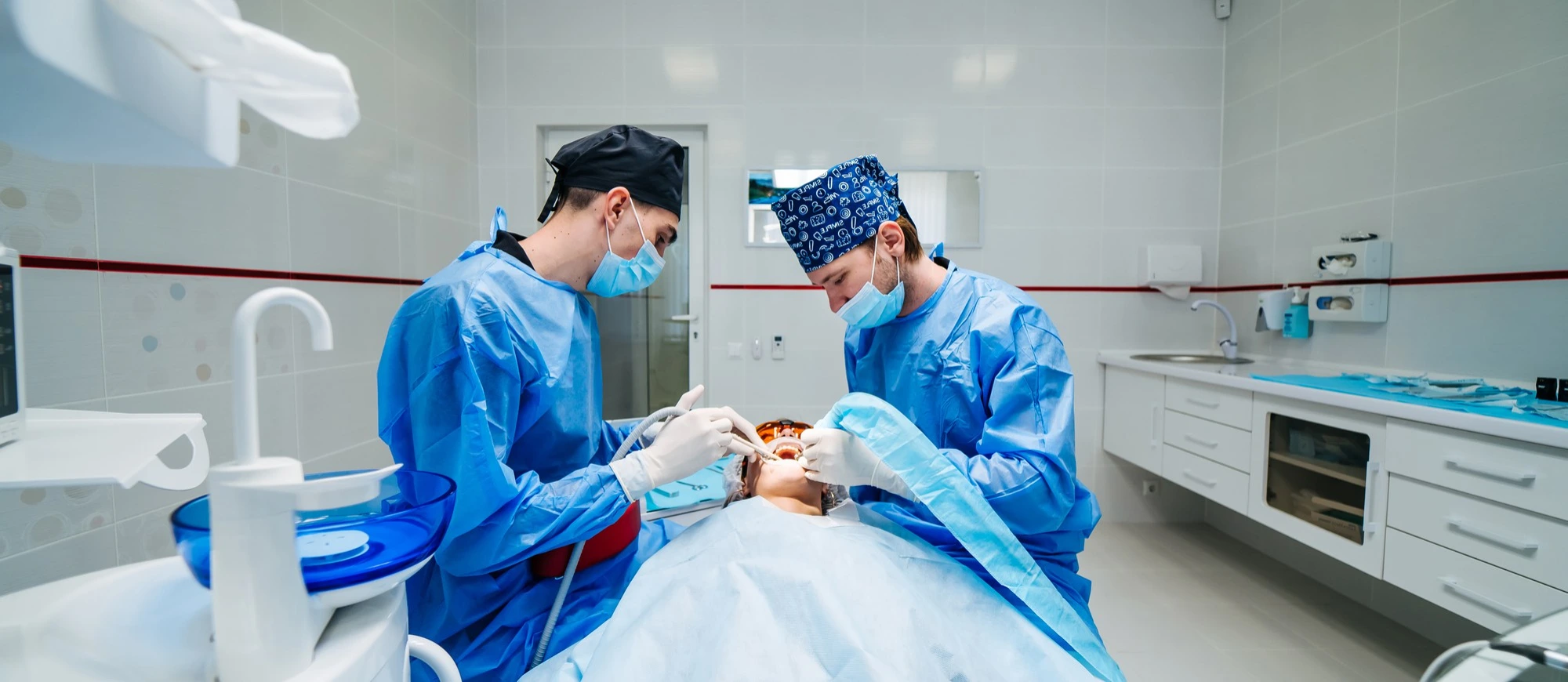
When is Oral Surgery Necessary?
Oral surgery becomes necessary when a problem with the mouth or jaw cannot be treated with simple dental procedures. Some of the most common reasons that may require oral surgery include:
- Broken or damaged teeth that cannot be repaired with fillings or crowns.
- Deep cavities and infections that require tooth extraction.
- Serious problems with the gums and surrounding bone, such as periodontal disease.
- Jaw fractures or facial bone damage following accidents.
- Oral diseases that require the removal of tumours or cysts.
- Major orthodontic problems that require surgery to correct the bite or other jaw structures.
The Most Common Oral Surgery Procedures
- Extraction of primary and permanent teeth: Removal of teeth that are damaged, decayed, infected or that cause pain or other dental problems.
- Wisdom tooth removal: Wisdom teeth are well known for often needing to be removed due to lack of space or because they can cause infections, pain or orthodontic complications. This is a common surgical treatment in dentistry.
- Abscess surgery: Oral abscesses are collections of pus caused by infections of the teeth, gums or jaws. Oral surgery is necessary to remove the pus and treat the infection with antibiotics or other treatments.
- Drainage of infections: When deep infections occur that cannot be treated with antibiotics, surgery may be necessary to direct or drain the infected tissue.
- Treatment of broken teeth: Oral surgery may involve the repair of severely broken or damaged teeth, including the use of fillings or crowns.
- Jaw fractures: In the case of jaw fractures, surgery may be necessary to repair or reconstruct the broken bone.
- Soft tissue injuries of the mouth and cheeks: Surgery may involve the treatment of wounds in the mouth and cheeks that occur as a result of accidents or injuries.
- Removal of oral tumours: Oral surgery can be used to remove various tumours in the mouth, including benign and malignant (cancerous) tumours.
- Removal of oral cysts: Cysts are fluid-filled formations that can develop in the mouth or in the jaws. Surgery is necessary to remove the cysts and to prevent the development of infections or damage to the teeth and bones.
Orthognathic surgery: This involves procedures that help correct jaw imbalances and facial structure, in order to improve the function and aesthetics of the mouth and jaw. Orthognathic surgery is often used to correct bite disorders and tooth alignment problems.
Dental implant placement: Oral surgery is an important component in the placement of dental implants for patients who have lost teeth. Oral surgeons perform the procedure of placing a metal fixture into the jaw, which serves as a support for the new teeth.
Surgery for periodontal disease: When gum diseases (for example, periodontitis) cause bone loss around the teeth, surgery may be required to recover and restore the damaged structures. This includes procedures such as curettage, root planing, and sometimes bone or tissue grafting.
Cysts are fluid-filled formations that can develop in the mouth and can cause pain and infections. Oral surgery can be used to remove these cysts and to restore damaged teeth or jaws.
Surgery for orthodontics: In some cases, in order to achieve a successful orthodontic treatment, surgery may be required to correct structural problems of the jaw or to create more space for the teeth.