What is Dental Orthopaedics?
Dental orthopaedics deals with the treatment of conditions that arise due to problems with the jaw or the surrounding structures, including the bone and soft tissues that support the teeth. This field is similar and closely related to orthodontics, which focuses primarily on correcting the alignment of the teeth, but dental orthopaedics is more focused on treating major disorders of the jaw and the surrounding structures.
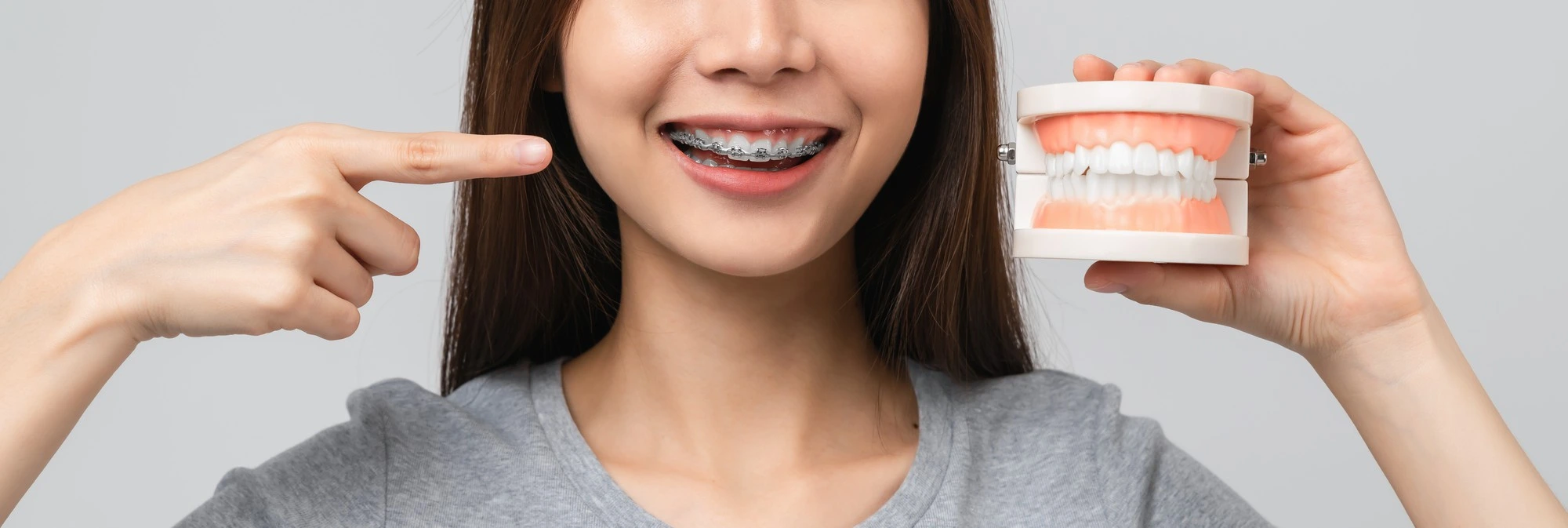
Dental orthopaedics may involve treatments for:
- Problems with jaw development: Damage and deformities related to the jaw, such as jaw misalignments (e.g., jaw closure syndrome).
- Correction of facial and jaw deformities that occur due to growth disorders, injuries or other conditions.
- Treatment of jaw anomalies that may require orthopaedic surgery to correct alignment problems or the consequences of injuries.
What Does Dental Orthopaedics Treat?
Alignment anomalies (malocclusion): Many patients may have problems with the way the upper and lower jaw fit together. Malocclusion can cause discomfort such as pain, difficulty in biting food, and aesthetic problems. Dental orthopaedics is useful for correcting these problems through the use of orthopaedic appliances or, in some cases, surgery.
- Correction of jaw bone deformities: Growth disorders of the jaw bone that occur due to genetic factors or accidents may require orthopaedic surgical treatments to restore the shape and function of the jaw.
- Treatment of jaw disorders (e.g., a split jaw): Jaw problems that involve fractures or major dislocations can be treated with orthopaedic surgery to restore the mobility and stability of the structures of the mouth and face.
Jaw growth disorders: Some children and young people may have problems with the development of the jaw and surrounding bones, which can affect the closure of the mouth and often cause other disorders such as pain and difficulty in biting. Dental orthopaedics can help in managing these conditions through conservative or surgical treatment options.
- Treatment of jaw fractures: Facial injuries that cause jaw fractures can be treated with orthopaedic surgery, including the use of plates and screws to repair the broken bone.
- Correction of facial deformities: Following injuries, dental orthopaedics can help restore the aesthetics and functionality of the jaw and face.
Implants and prostheses: When there is tooth loss and the jaw bone has undergone significant bone loss, an orthopaedic intervention may be necessary to recover the bone and place the dental implant.
Orthopaedic surgery for jaw diseases: Surgery for the correction of disorders of the bone structures and soft tissues of the mouth is part of dental orthopaedics, including the correction of deformities that occur due to various diseases or injuries.