
Therapy for the Treatment of Tooth Roots
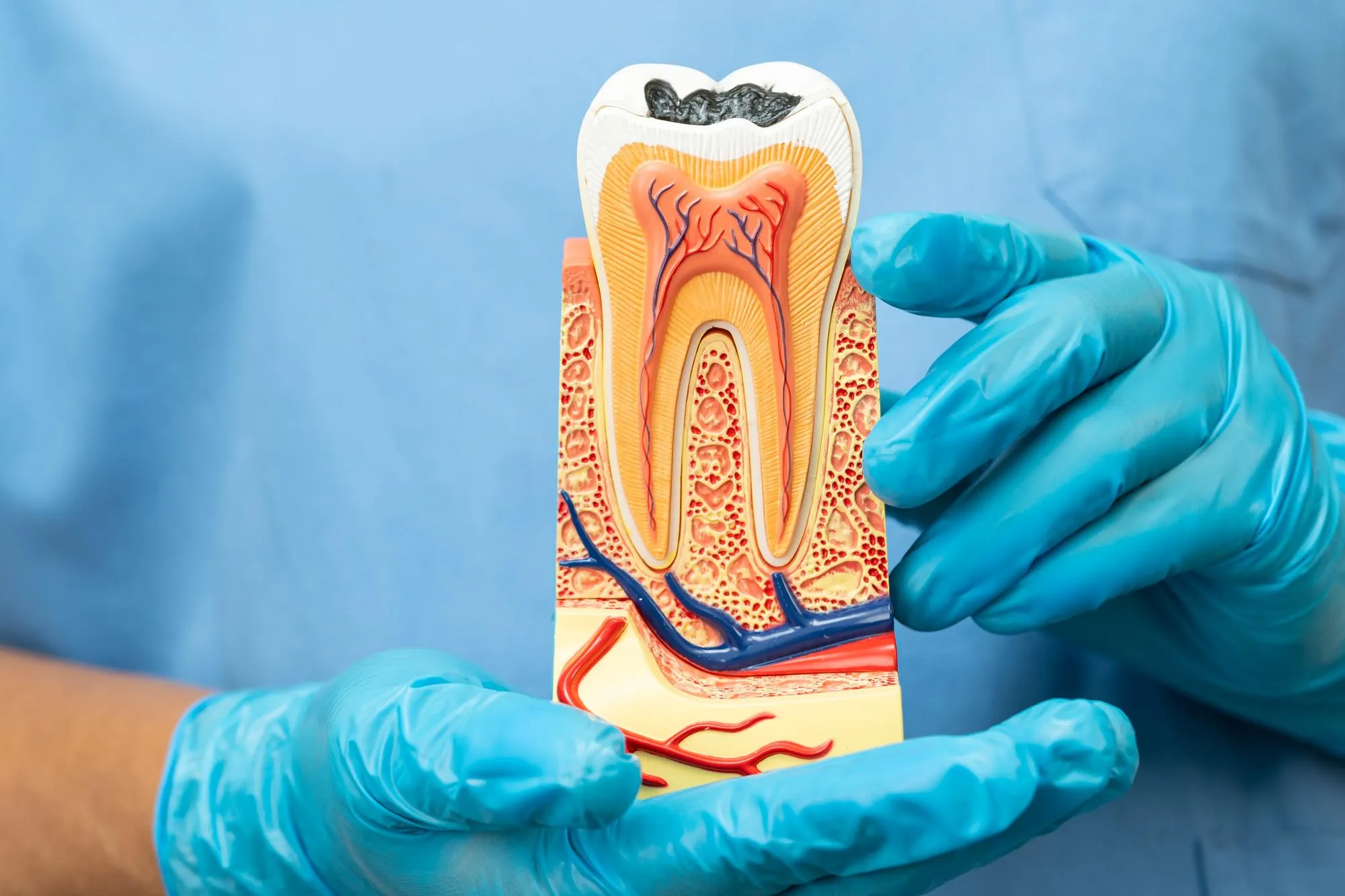
Therapy for the treatment of tooth roots is known as root canal treatment or endodontic therapy. This treatment is necessary when an infection or damage to the tooth has affected the inner part of the tooth, which includes the dental pulp, a soft mass of blood vessels and nerves located inside the tooth. Root therapy is a procedure that saves teeth that may be severely damaged and helps preserve the function of the natural teeth.
When is Root Canal Therapy Necessary?
Therapy for the treatment of the root canal is necessary when the pulp (the part inside the tooth) has been infected or damaged due to:
- Deep cavities: When a tooth has been affected by severe decay and the infection has reached the pulp.
- Trauma: When a tooth has been damaged or broken, allowing bacteria to enter and cause an infection.
- Dental abscess: Infections that cause inflammation and the formation of a collection of pus (abscess) around the tooth.
- Dead nerve: When the nerve of the tooth dies due to damage or infection, it can cause severe pain and the spread of infection.
The Root Canal Therapy Process
- The dentist uses X-rays and clinical examinations to assess the condition of the tooth and the pulp. This helps determine the need for root canal treatment and identify the possibility of potential failure.
- Root canal treatment is usually carried out under local anaesthesia, which means the patient will not feel pain during the procedure. In some cases, deep anaesthesia (sedation) may also be used for patients who are anxious.
- The dentist makes a small incision in the infected tooth to reach the dental pulp and remove the infected or dead tissue. This is the most important part of the procedure, as it helps prevent the spread of the infection.
- Once the pulp has been removed, the dentist cleans and disinfects the root canals of the tooth to ensure that all bacteria and debris are removed. This step is very important for preventing the recurrence of infection.
- After cleaning, the root canal is filled with a special material (usually gutta-percha), which seals the canal and protects it from future infections. This can help the tooth retain its function.
- After the canal has been sealed, the tooth may be more fragile than before, so the placement of a crown may be required to strengthen the tooth and restore its aesthetics and function.
- In some cases, a temporary filling may be placed before the crown is made in order to protect the tooth.
- After the procedure, the patient must attend regular check-ups to ensure that the tooth has healed properly and that no new infection has occurred.